Why This Type of Wood Floor Stays More Stable Through Moisture Swings
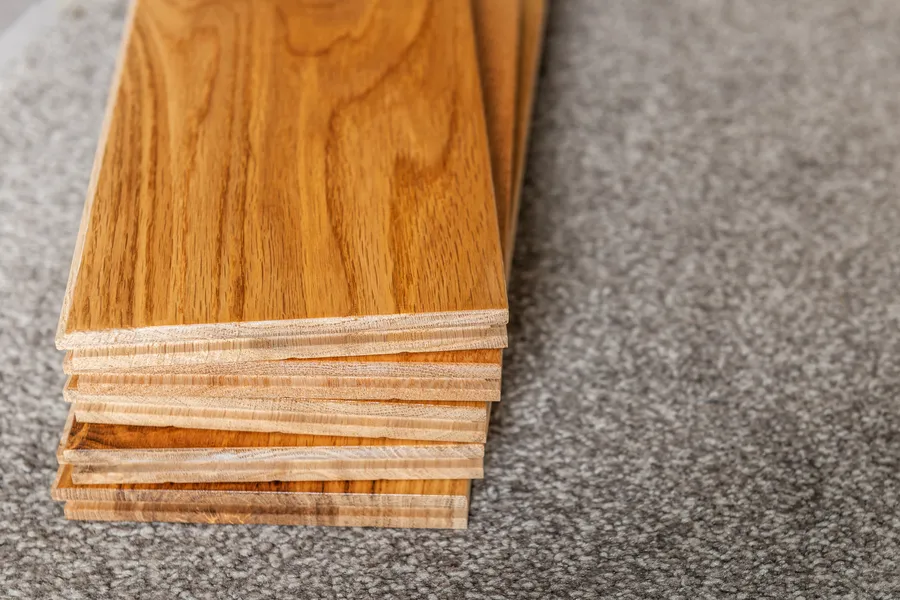
engineered hardwood flooring handles humidity changes by using a layered core that resists expansion and shrinking. Unlike solid planks, it is built from several layers of wood pressed together in different directions. This design helps the floor stay flatter when the air is dry or damp. That is why many homeowners choose it for spaces where moisture levels rise and fall during the year.
Quick Answer
The layered construction of engineered hardwood flooring helps control how much the boards move when humidity changes. The top layer is real wood, but the base layers add strength and balance. This makes it less likely to cup, gap, or warp compared to solid wood.
What You Need Before Starting
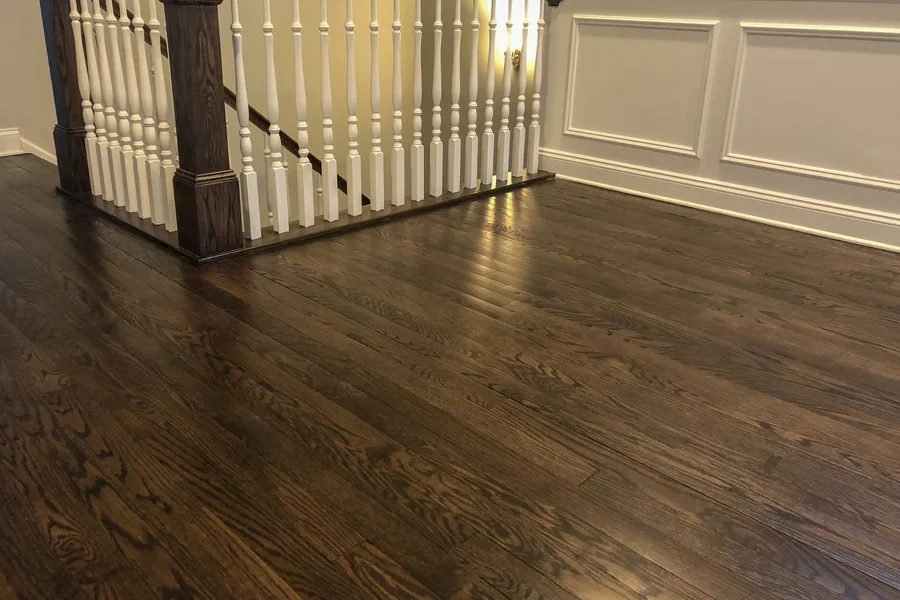
If you are planning new wood flooring, you should prepare the space first. Humidity control starts before the boards are installed.
- A moisture meter to test subfloor levels
- A hygrometer to measure indoor humidity
- Proper underlayment for added protection
- A stable indoor climate before and after installation
Most homes should stay between 35 and 55 percent indoor humidity. Keeping the room within this range helps engineered hardwood flooring perform at its best.
Step-by-Step: How Humidity Affects and How the Floor Responds
- Humidity rises in spring or summer. Wood fibers absorb moisture from the air.
- The top hardwood layer may expand slightly. The cross-layered core resists heavy movement.
- Boards shift a small amount but stay locked together.
- Humidity drops in fall or winter. Wood releases moisture.
- The planks shrink slightly, but the layered base helps reduce large gaps.
Because each layer runs in a different direction, pressure is spread out. This balanced build is the main reason engineered hardwood flooring works well in areas that see seasonal weather changes.
Common Mistakes to Avoid
Even though this flooring type is more stable, mistakes during installation can still cause trouble.
- Skipping subfloor moisture testing
- Installing before the product acclimates to the room
- Running indoor air too dry in winter
- Ignoring small leaks or spills
For example, if a homeowner in a humid region installs planks over a damp concrete slab, moisture can build underneath. Over time, boards may lift or separate. Proper prep makes a big difference.
When to Call a Professional
Some humidity swings are normal. Small gaps during winter often close in summer. But larger problems may need expert help.
Call a professional if you notice:
- Wide gaps that do not close
- Cupping where board edges rise higher than the center
- Buckling where boards lift off the subfloor
- Musty smells from trapped moisture
A flooring specialist can test moisture levels, inspect the subfloor, and suggest the right fix. In some cases, it may involve improving indoor climate control. In other cases, sections of the wood flooring may need repair or replacement.
Best Practices for Long-Term Stability
Simple habits help engineered hardwood flooring handle humidity changes over time.
- Use a humidifier during dry winter months
- Run a dehumidifier in very damp seasons
- Clean spills right away
- Leave proper expansion gaps around walls during installation
- Schedule periodic inspections for peace of mind
Homes with basements, crawl spaces, or large windows may see bigger moisture swings. Keeping airflow steady and sealing leaks can protect your floors year after year.
Final Recommendation
If you want the natural look of real wood without as much worry about seasonal movement, engineered hardwood flooring is a smart choice. It is built to handle normal humidity shifts better than solid planks. With proper installation and steady indoor moisture levels, it can stay flat and beautiful for decades.
Get Help With Your Flooring Project
If you are planning a flooring update in Randolph, MA, it helps to have experienced guidance from start to finish. At Unique Hardwood Flooring, we test moisture levels, recommend the right products, and install every floor with care. Call us at (617) 943-9171 to schedule an evaluation and let us help protect your investment for years to come.