Simple Steps to Pick the Right Wood Floor for Your Room and Lifestyle
To choose engineered hardwood flooring for your space, start by thinking about where it will go, how much traffic the room gets, and the look you want. Then compare plank thickness, wear layer, wood species, and finish. When you match the floor to your daily life and your home’s layout, you get a result that looks good and lasts for years.
What You Need to Know Before You Start
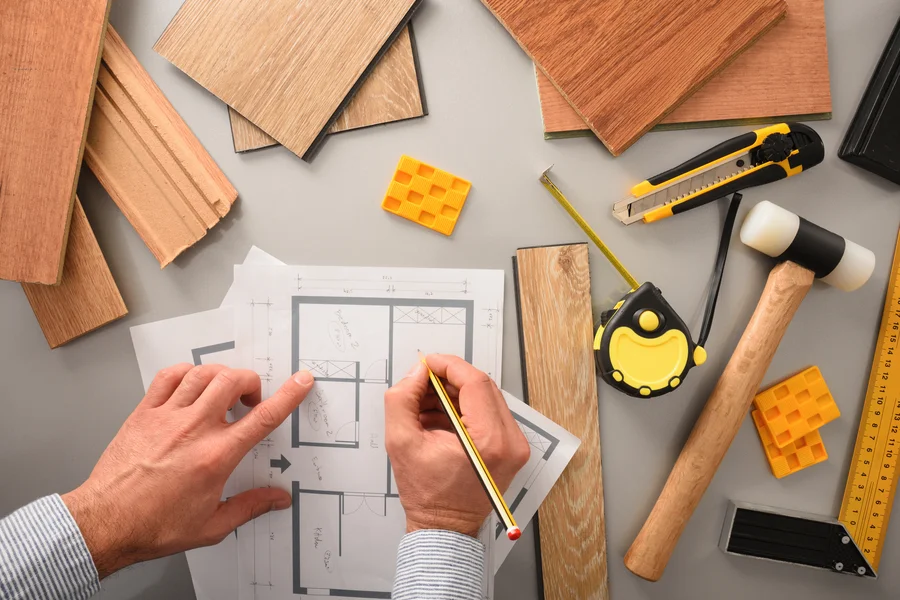
Before shopping for engineered hardwood flooring, take a few minutes to measure your room and look at your subfloor. Is it concrete or plywood? Is the area above or below grade? These details matter.
Also think about:
- Do you have kids or pets?
- Does the room get a lot of sunlight?
- Is moisture a concern, like in a basement?
- Do you want wide or narrow planks?
Engineered wood floors are made with a real hardwood top layer and a layered core. This design helps them handle changes in humidity better than solid hardwood. That makes them a smart choice for many homes.
Step-by-Step Process to Choose the Right Option
- Check the room location. For basements or condos with concrete slabs, engineered hardwood flooring is often a better fit than solid wood.
- Pick the plank width. Wide planks create an open, modern feel. Narrow planks give a classic look.
- Look at the wear layer. A thicker wear layer means the floor can be sanded and refinished more times.
- Choose your wood species. Oak is durable and popular. Maple is smooth and light. Hickory has strong grain patterns.
- Select the finish. Matte hides scratches better. Glossy finishes reflect more light but show marks faster.
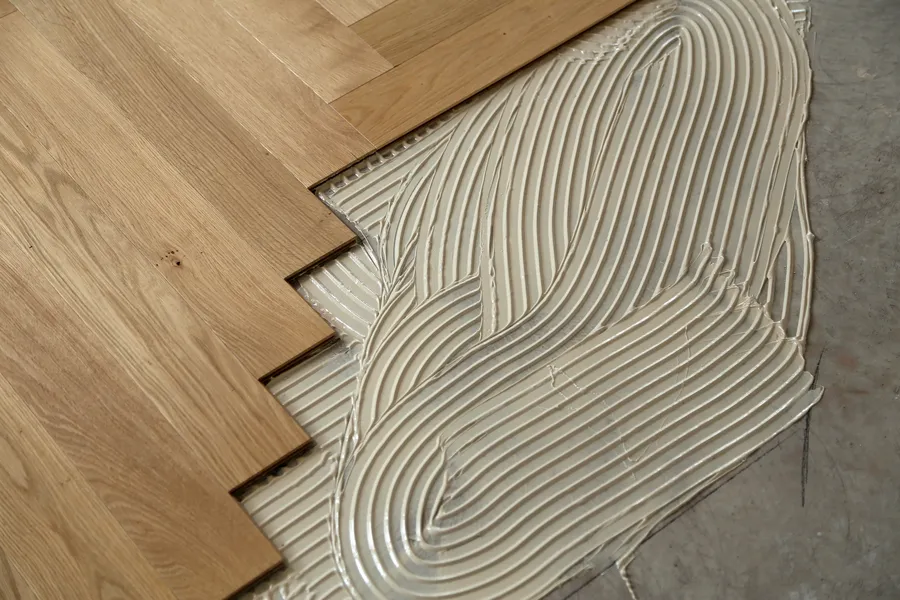
- Decide on installation style. Some floors click together and float. Others are glued or nailed down.
If you are also comparing options within a larger flooring project, look at how this choice fits with other in your home. Consistency in color and texture keeps rooms flowing together.
Common Mistakes to Avoid
One common mistake is focusing only on color. A floor may look great in the store but act differently at home. Always ask for samples and see them in your own lighting.
Another mistake is ignoring the wear layer thickness. A thin top layer may cost less upfront, but it limits future refinishing. For busy homes, thicker is often better.
Some homeowners also forget about moisture levels. Even though engineered hardwood flooring handles humidity better than solid wood, it still needs proper indoor conditions. Sudden swings in temperature can cause gaps or slight movement.
When to Call a Professional
If your subfloor is uneven, damp, or damaged, it is smart to get expert help. Proper prep work affects how your floor looks and feels years later.
You may also want help if:
- You are installing over concrete.
- You want a custom pattern like herringbone.
- You are unsure about moisture testing.
- You are mixing engineered hardwood flooring with other types of .
A trained installer can spot problems early and suggest the best installation method for your home.
Making the Final Choice With Confidence
The best engineered hardwood flooring for your space matches your lifestyle, room location, and design style. Think about durability first, then appearance. Take samples home. Walk on them. See how they look in morning and evening light.
If you live in Randolph, MA, climate changes throughout the year can affect wood floors. Picking a quality product with a strong core helps reduce seasonal movement. A balanced choice today can save you time and stress later.
Ready to Get Expert Guidance?
At Unique Hardwood Flooring, we help homeowners in separate consultations to find the right fit for their space and daily life. We take time to review your subfloor, style goals, and budget before making suggestions. If you are planning a project in Randolph, MA, we would be happy to walk you through your options and explain what works best in local homes. Call us at (617) 943-9171 to speak with our team and schedule your next steps.