How to Fix Raised Hardwood Boards and Stop the Problem From Spreading
Cupped floor planks happen when the edges of a board rise higher than the center. This usually means moisture is trapped under or inside the wood. The good news is that cupping can often be repaired. The right fix depends on how severe the damage is and what caused the moisture problem in the first place.
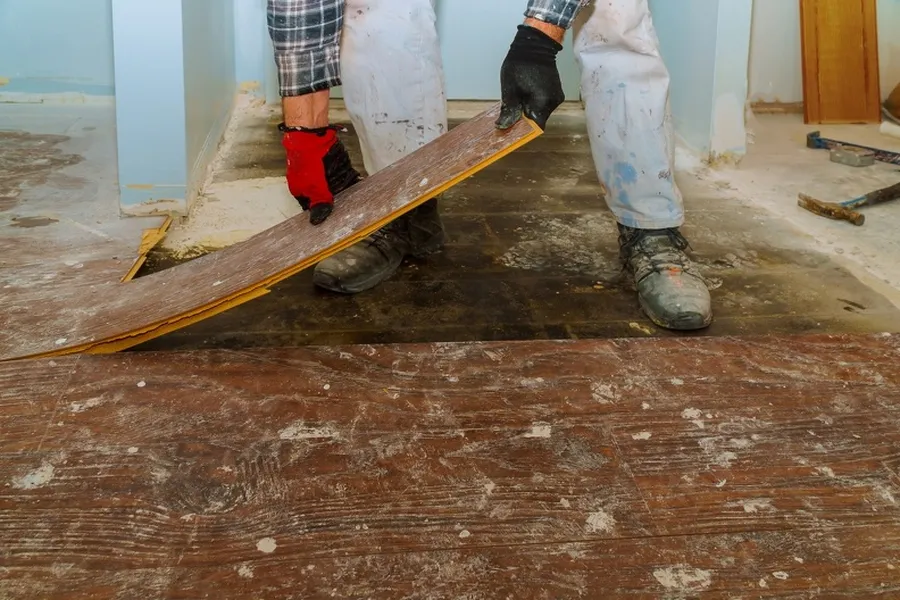
Common Symptoms of Cupped Floors
Cupping does not happen overnight. It often starts small and slowly gets worse.
- Board edges feel higher than the center
- Light reflects unevenly across the floor
- Gaps form between planks
- Floors feel slightly wavy when you walk across them
If you run your hand across the floor and feel ridges, you likely have cupping. Spotting it early gives you more repair options.
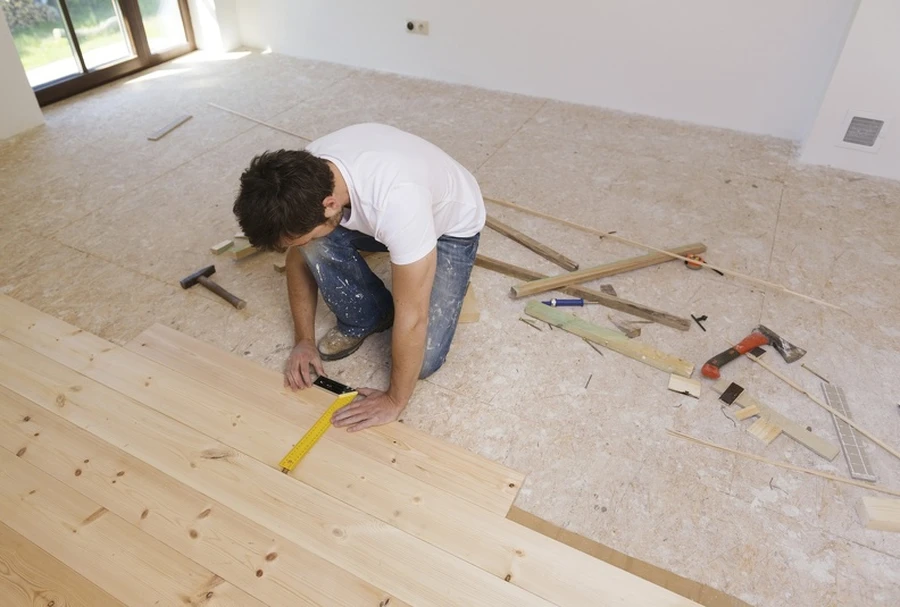
Likely Causes Behind the Problem
Wood reacts to water. When the bottom of a plank holds more moisture than the top, it expands and pushes upward along the edges.
Common causes include:
- Leaks from plumbing or appliances
- High indoor humidity
- Poor ventilation in crawl spaces
- Wet subfloors during installation
- Improper hardwood floor installation techniques
Hardwood flooring repair always starts with finding and fixing the moisture source. If you skip that step, the cupping may return even after repairs.
What to Check First
Before sanding or replacing boards, check these areas:
- Look under sinks and near dishwashers for leaks.
- Use a humidity meter to test indoor moisture levels.
- Inspect the crawl space or basement for dampness.
- Check for recent water spills or flooding.
Humidity should stay between 35 and 55 percent for most wood floors. If levels are higher, a dehumidifier may help the boards settle back into place.
Safe Fixes Vs Pro-Level Repairs
Minor cupping may improve once moisture levels return to normal. Wood can flatten on its own if the boards are not badly warped.
Safe steps you can take:
- Use fans and dehumidifiers to dry the space
- Fix any visible leaks
- Improve airflow under the home
For moderate to severe cupping, professional hardwood flooring repair is often needed. These solutions may include:
- Sanding and refinishing the surface after moisture levels stabilize
- Replacing damaged planks
- Repairing or sealing the subfloor
Sanding too early is a common mistake. If the boards are still swollen, sanding can create permanent damage once they dry and flatten.
Prevention Tips to Protect Your Floors
Once your floor is repaired, simple habits can prevent future issues.
- Clean spills right away
- Use rugs near sinks and entry doors
- Maintain steady indoor humidity
- Schedule seasonal flooring inspections
In areas with humid summers or damp winters, climate control is key. A stable indoor environment protects both new floors and older wood surfaces.
When to Call a Professional
If the cupping covers a large area, keeps getting worse, or follows water damage, it is time to call for hardwood flooring repair. Deep moisture problems often hide below the surface. Professionals use moisture meters and other tools to find the true source before making repairs.
Quick action can save large sections of flooring. Waiting too long may lead to mold, rot, or full board replacement.
Get Expert Help for Long-Lasting Results
If you are seeing signs of cupping in your home in Randolph, MA, it is best to have the floors checked before the damage spreads. At Unique Hardwood Flooring, we handle hardwood flooring repair with a full evaluation of moisture levels, subfloors, and board condition. Call (617) 943-9171 to speak with our team and schedule an inspection so we can help restore your floors the right way.